


Sneakers as a gift: how to get the size and the model right
Sneakers make a good gift – as long as the size is right. That is exactly where it usually goes wrong: half a size too tight and the pair stays in the box. Get it right and it gets worn for months. So the gift is decided less by the colourway than by two numbers and one question about materials.
This guide covers how to work out the size without giving away the surprise, which silhouettes run large and which run narrow, what to look for in the upper material during winter, and what to do when the size stays a guess. All fit notes here are experience-based values from reviews and manufacturer size advice – they are not a promise for every foot.
Finding the size without asking
The most reliable route is not a formula but a look at the shoe rack. Four methods, from precise to rough:
- Read the label. The size sits inside on the tongue or on the insole, usually in EU, UK and US. Note down more than the number: write down the brand and the model too, because a 43 does not mean the same thing everywhere.
- Measure the insole. Take the insole out of a pair that fits well and measure its length in centimetres. That figure can be matched against the manufacturer's centimetre charts and is often more dependable than any conversion table.
- Ask someone close. A partner, flatmate or parent usually knows the size – and will not say a word. It is the most discreet accurate method there is.
- Convert from foot length. A last resort only. The common formula is (foot length in cm + allowance) × 1.5, and depending on the source the allowance used is either 1.5 or 2 centimetres. The gap between the two versions is roughly three quarters of an EU size – and since half an EU size is only about 3.3 millimetres, a 3-millimetre measuring error already shifts the result. Useful as a rough bearing, not as a basis for buying.
Two traps come on top of that. First: US women's and US men's sizes are not the same scale. Nike works with an offset of 1.5 sizes – a women's 9 corresponds to a men's 7.5 there. adidas uses a one-size difference in its US charts, and Converse uses two for the Chuck Taylor All Star. Buy a unisex model and you normally get the men's scale. Second: the number describes length, not width. On wide feet a narrowly cut model is uncomfortable even in the correct length. The conversion details are in our sneaker size chart, and the differences between brands are in our size comparison of Nike, adidas, New Balance and Asics.
How does each silhouette fit?
The four most popular gift silhouettes behave very differently when it comes to fit. The values below are the common recommendations from manufacturer notes and reviews:
| Model | Fit (experience-based) | Typical upper | Good gift for |
|---|---|---|---|
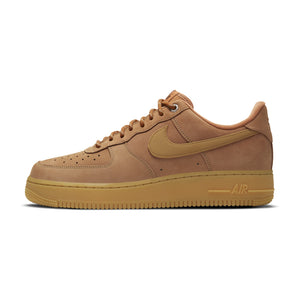
| Nike Air Force 1 | Tends to run large; Nike itself suggests going half a size below your usual Nike size. On wide feet, stay with your usual size. | Smooth leather, winter versions also nubuck | Uncertain cases – the roomy toe box forgives the most |
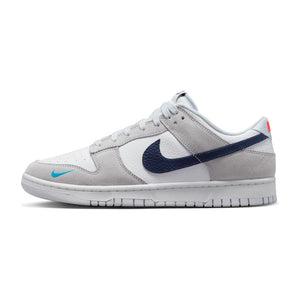
| Nike Dunk Low | Runs true to size. Narrow feet can go half a size down, wide feet half a size up. | Smooth leather, sometimes suede overlays | Anyone who likes a flat, cleanly cut silhouette |
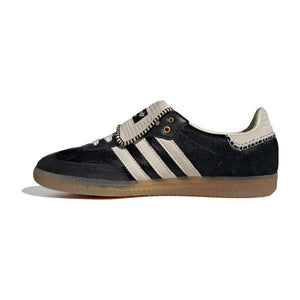
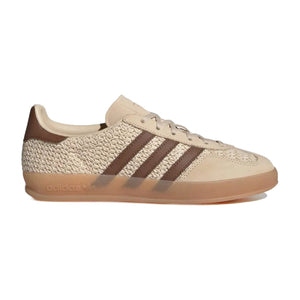
| adidas Samba | True to size in length, but narrow and low cut. On wide feet, or between two sizes, take the larger one. | Leather with a suede overlay at the toe | Narrow feet and fans of slim retro silhouettes |
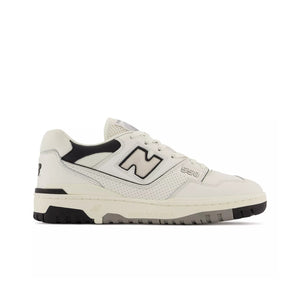
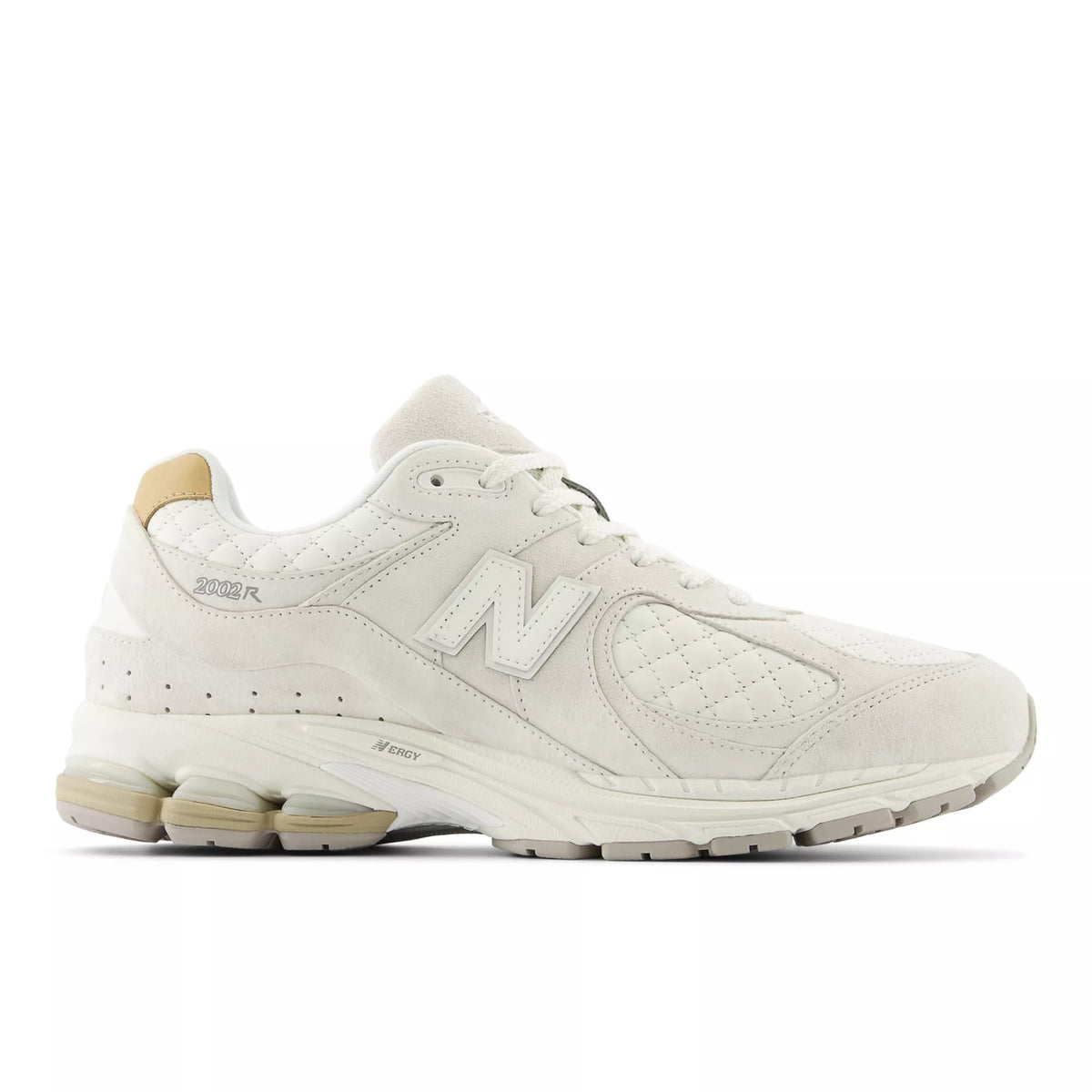
| New Balance 550 | Runs snug and narrow, especially in the toe box; the frequent advice is half a size up. No wide version available. | Leather | Regular to narrow feet – risky on wide feet |
Which leads to the single most important rule when buying a pair for someone else: never carry a size over from one model to another. Someone who takes half a size down in the Air Force 1 may need a full size more in the Samba or the 550. If you only know one size, find out which model it came from. For an overview of the silhouettes, see our guide to the most important sneaker classics.
Getting the taste right: classic or hype
The best clue is the pair that gets worn most often. Look at the brand, the height (low or high), the colour and the shape of the sole – that usually tells you the type:
- Minimal: clean low-tops in white, off-white, black or grey, with little branding. A safe pick that works with almost any outfit.
- Streetwear-driven: bold silhouettes and strong colourways. Here it pays to check which models are currently in circulation.
- Collecting: the original box, spare laces and condition all count. Without a wish list this is risky – limited releases often run through raffles you cannot enter on someone else's behalf.
- Practical: a pair that fits well and lasts beats the newest hype model.
If you do not know the taste precisely, a classic in a neutral colour is statistically the best decision. Neon colours and extreme silhouettes are either a direct hit or a complete miss.
Think about winter: the material decides
A gift given in December gets worn in December. The upper material is therefore not a detail:
- Smooth leather is naturally fairly water-repellent and blocks wind well – the most straightforward choice for wet months.
- Suede and nubuck look warmer but react badly to water and road salt. A waterproofing spray before the first rain is essential here; wax and cream are off-limits because they mat down the nap.
- Mesh is open-pored and not waterproof. A spray makes it more water-repellent, but it will never be sealed.
- Membrane models (with GORE-TEX, for example) keep the rain out, but only up to the height of the collar – step deeper into a puddle and water runs in at the ankle.
On top of that: a chunkier outsole with tread keeps the foot further from cold, wet pavement and grips better on wet leaves than a flat, smooth cupsole. Which models have proven themselves in autumn and winter is covered in our article on sneakers in wet and cold weather, and how to get rid of salt stains is explained in our guide to cleaning sneakers. A small care kit alongside the shoes is a sensible addition for suede models.
When the size stays a guess
Then do not gamble – plan for the exchange instead. That is more honest than a lottery and takes nothing away from the gift.
- When in doubt, take the larger number. Half a size too big can be adjusted with an insole; too small cannot.
- Put the receipt or order confirmation in the box and say openly that a size swap is welcome.
- Check the shop's return conditions before you buy. For online orders in Germany, the statutory 14-day right of withdrawal for distance selling applies on top of that.
- If the size is completely unknown, a gift card for a shop whose range matches their taste beats a wrong purchase. The same goes for one specific hyped pair.
Which model suits whom?
You know the size but not the taste: go for an Air Force 1 in white or black. It is cut wide, forgives half a size either way and has been an everyday shoe for decades.
You know the taste but only roughly know the size: stick to generously cut models and include the receipt. Narrow models like the Samba or the New Balance 550 are the wrong call here.
They wear retro and slim silhouettes: the Samba or a flat Dunk Low, half a size up on wide feet.
The pair has to survive winter: smooth leather rather than suede, a sturdy sole and preferably a mid or high top. The sneaker collection gives you an overview of everything available.
You are not sure shoes are the right gift at all: then they probably are not. A gift card plus a care kit lands more often than a guessed pair.
Frequently asked questions
How do I find out someone's sneaker size without asking?
Fastest is the label inside on the tongue or on the insole of a pair they wear often, or an old shoe box, which shows the size and usually the style code. More precise still is measuring the removed insole in centimetres. Always note the brand and model as well.
Should I go a size up or down if I am unsure?
Up. A slightly large shoe can be adjusted with an insole or thicker socks; one that is too small stays unwearable. The exception: on the Air Force 1, the usual size is already the generous option.
Are US women's and US men's sizes the same?
No. At Nike there are roughly 1.5 sizes between the two scales, so a women's 9 corresponds to a men's 7.5. adidas works with about a one-size difference. The manufacturer's own chart always takes precedence over the rule of thumb.
Which sneakers work when I do not know the person's taste?
Classics in neutral colours – white, black or grey, with little branding. Those models go with almost any outfit and are worn at every age. Bold colourways assume you know the person's style.
Can I give a limited hype model as a gift?
It is tricky. Many limited releases run through raffles in apps that you cannot enter for someone else, and on the resale market the size often drives the price. In that case a gift card or a contribution towards the pair is a perfectly respectable gift.
Is there anything to watch out for with suede sneakers in winter?
Yes. Suede and nubuck are sensitive to moisture and road salt. Waterproof them before the first wear, wipe salt stains off promptly with a damp cloth, and let the shoes dry at room temperature rather than on a radiator.