

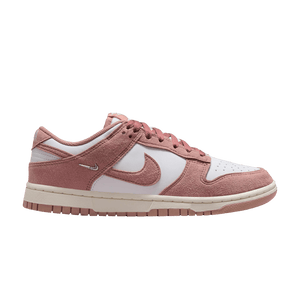


Nike Dunk Guide: Low, High and SB Compared
The Nike Dunk has been one of the most searched-for sneakers around for years, and one of the most misunderstood. Two differently built shoes hide behind the same name: the Dunk from the lifestyle range and the SB Dunk from skateboarding. In a product shot they look almost identical. On foot, padding, cushioning, material quality and fit set them clearly apart.
This guide sorts out the family: where the Dunk came from, what separates Low, High and SB, which versions you will come across in stores, and which size makes sense. At the end there is a recommendation depending on whether looks, comfort or foot width matter most to you. You can browse the current selection in the Nike Dunk collection.
From the college court to the skatepark
The Dunk arrived in 1985 as a pure basketball shoe. It was designed by Peter Moore, the same designer behind the Air Jordan 1. Internally it was first called the College Color High. Technically it was a mix of existing Nike models: the last came from the Nike Legend, the outsole from the Air Jordan 1, and the upper borrowed elements from the Jordan 1 and the Terminator. Nike itself describes the process as rushed: design, development and shipping are said to have taken around six weeks.
The shoe became famous through the Be True to Your School campaign for the 1985/86 college basketball season. Nike kitted out top programmes such as Michigan, Kentucky, Iowa, Georgetown, Syracuse, St. John's and UNLV with Dunk High colourways in their team colours. That was unusual at the time: basketball shoes were mostly white, and bold colour blocking was new.
After that the model largely disappeared from the range. During the 90s, skaters found leftover stock in discount stores: cheap, flat and tough enough for the board. In 1998 Nike brought back the first retro versions. The real turning point came in 2002, when the Dunk Low Pro SB was developed under Sandy Bodecker, a version reworked for skating with a padded tongue and extra cushioning. The first four colourways were put together by the original Nike SB pros Richard Mulder, Danny Supa, Reese Forbes and Gino Iannucci.
The versions at a glance
These are the versions you are most likely to run into. The fit notes are experience values from reviews and sizing guides, not manufacturer specifications.
| Version | Intended use | Key feature | Common size advice |
|---|---|---|---|
| Dunk Low (Retro) | Lifestyle | Flat, barely padded tongue, rubber cupsole without an Air unit | Usual size; narrow toe box |
| Dunk High (Retro) | Lifestyle | Tall padded collar, same base as the Low | Usual size; collar padding pushes the foot slightly forward |
| Dunk Low Next Nature | Lifestyle | Version using a share of recycled materials | Same as Dunk Low |
| Dunk Low Retro Premium / SE | Lifestyle | Different materials, often suede or corduroy | Same as Dunk Low; soft materials feel roomier |
| Nike SB Dunk Low Pro | Skateboarding | Thick padded tongue, Zoom Air in the insole, chunkier laces | Snugger than the regular Dunk; half a size up for wide feet |
| Nike SB Dunk High Pro | Skateboarding | Heavily padded collar on top of that | The snuggest of the family; half a size up is common |
What actually makes the SB Dunk different
The differences are not cosmetic. They go back to specific demands of skating:
- Tongue: the original Dunk tongue was thin nylon and shifted around while skating. The SB got a thickly padded tongue tied to the insole with elastic straps. The scene simply calls it the fat tongue.
- Cushioning: the SB insole holds a Zoom Air unit in the heel, with Poron foam added in the forefoot. The regular Dunk has neither.
- Sockliner: the SB insole was finished with terry cloth to absorb moisture better.
- Laces: thicker and rounder than on the lifestyle model.
- Outsole: a finer tread pattern for more grip and board feel.
- Materials: SB pairs usually use better leather and suede. On regular Dunks, buyers often report thin, coated panels and early creasing.
In short: the SB Dunk is the more comfortable and usually better built shoe, but also the snugger one and the harder one to get hold of. The regular Dunk is the more accessible everyday sneaker.
Dunk Low or Dunk High?
Both share the same base. The Dunk High differs mainly through its tall padded collar, which changes nothing about the cushioning. Measurements of the Dunk High show a heel height of around 22.6 mm against roughly 30.5 mm for comparable sneakers on average. You stand noticeably close to the ground: stable, but without meaningful padding or support. Anyone walking long distances will feel it.
Style-wise the Low is the easier choice and works with almost anything. The High looks best with wide or loosely cut trousers that partly cover the collar. With shorts or very slim jeans it is the harder combination. We have written more about matching silhouettes to outfits in the styling guide. For the head-to-head with Nike's other big lifestyle silhouette, see Air Force 1 or Dunk.
Size and fit
Across all Dunk versions the common advice is to take your usual size. Nike's own sizing guide uses your regular Nike size as the starting point, suggests half a size up for wider feet, and half a size down if you want a very snug fit.
Two points come up again and again in owner reports. First, the toe box of the Dunk Low tapers more than the silhouette suggests, noticeably tighter than an Air Force 1. If you are coming from an Air Force 1, the Dunk often feels tight. Second, the SB runs snugger still because of the extra padding in tongue, forefoot and heel, so half a size up is the widely shared advice for wide feet.
Material plays its part: stiff leather needs a break-in period and feels tighter at first, while suede and canvas give sooner. The basics of converting between US, UK and EU sizes are in the sneaker size chart, and if your foot is wide in general, the piece on sneaker widths is worth a read. The fit logic is close to that of the Air Jordan 1, which is built on related measurements.
Which one suits you?
First Dunk, average foot width, everyday wear: Dunk Low Retro in your usual size. Cheapest way in, widest choice of colours, easiest to style.
Wide feet: Dunk Low half a size up, ideally in suede or canvas rather than stiff leather. If it still pinches, the Air Force 1 is the roomier alternative in the same style lane.
Comfort comes first: SB Dunk Low Pro. The Zoom Air insole and the heavier padding make the difference you can feel, at the cost of a snugger fit and a break-in period.
Wide trousers, colder months, a taste for rarer colours: Dunk High. It sells less than the Low, so unusual colourways tend to stick around.
You actually skate: SB Dunk Pro, no detour. Tongue, sole and materials are built for exactly that.
If you have not settled on a silhouette at all yet, start broad in the sneaker overview or compare the Air Jordan 1.
Frequently asked questions
Does the Nike Dunk fit true to size?
Yes, the common advice is your regular Nike size, and that applies to Low and High alike. For wider feet, both Nike's own sizing guide and most reviews suggest half a size up.
What is the difference between a Nike Dunk and a Nike SB Dunk?
The SB Dunk has a thickly padded tongue, extra padding at forefoot and heel, a Zoom Air unit in the insole, chunkier laces and a finer outsole pattern. It was reworked for skating from 2002 onwards, while the regular Dunk is the lifestyle reissue of the 1985 basketball shoe.
Do the Dunk Low and Dunk High fit the same?
In length, yes, as both are built on the same last. The High adds a padded collar whose padding, according to owner reports, pushes the foot slightly forward. Some wearers therefore go half a size up on the High.
Are Dunks suitable for wide feet?
Only up to a point. The toe box tapers more than on many comparable models, and the SB runs tighter still because of the padding. Half a size up and a softer upper help; a full size usually just makes the shoe too long without making it meaningfully wider.
How comfortable is a Dunk for everyday wear?
The construction dates from the 80s: flat build, firm sole, barely any arch support. That is fine for city walking and normal wear, but the Dunk is not the first choice for long distances. The SB with its Zoom Air insole is noticeably easier on the foot, and an aftermarket insole helps on the regular model.
Why do Dunks crease so quickly at the toe?
The flat build and the relatively thin uppers on many general releases encourage early creasing. You cannot prevent it entirely, but shoe trees or crease protectors slow it down. How to clean leather, suede and canvas without putting extra strain on the material is covered in our guide to cleaning sneakers.