




Article: Sneakers in Autumn: Which Models Handle Rain and Cold
Sneakers in Autumn: Which Models Handle Rain and Cold
From September onwards, what a sneaker has to withstand changes. Rain, cold ground, road salt later in the season – most models simply aren't built for it. Wear the same pair in autumn that you wore in July and you'll ruin it within one season.
This guide covers which materials hold up, which silhouettes make it through autumn and how to prepare your pairs.
What moisture actually does
Water on its own is rarely the problem. It's the combination that does the damage:
- Moisture inside the material breaks down the adhesive bond between upper and midsole over a matter of weeks.
- Salt from the first frosty nights soaks into leather and textile, leaving white marks that eat into the material.
- Cold ground hardens rubber compounds – grip drops noticeably, especially on flat skate and retro outsoles.
- Insoles that never fully dry lead to odour and mould.
Materials: the autumn check
| Material | Autumn-ready? | Note |
|---|---|---|
| Smooth leather | Yes | Best choice. Water beads off, easy to care for. |
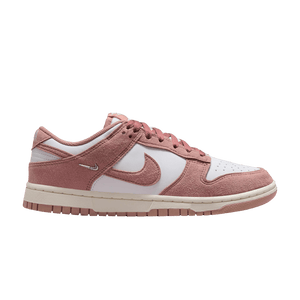
| Suede / nubuck | With caveats | Only if waterproofed. Otherwise water marks stay visible. |
| Mesh / knit | No | Soaks through, dries slowly, cold on the foot. |
| Canvas | No | Soaked within minutes. |
| Membrane (GORE-TEX etc.) | Yes | The only genuine waterproofing. |
Silhouettes that make it through autumn
- Air Force 1 in leather. Thick sole, closed upper, hard-wearing – the most pragmatic classic for wet weather.
- New Balance 2002R and 990. A tall midsole keeps your foot off the cold ground, with solid cushioning. Watch the mesh panels.
- Outdoor and trail models. Lugged outsoles with real grip, often available with a membrane.
- Winterised skate models. Several brands offer versions with insulated lining and a water-repellent treatment.
- Leather retro runners. Air Max models in full-leather builds rather than mesh.
Less suitable: Samba, Gazelle, Stan Smith, Chucks and Old Skool. Flat outsole, thin upper, very little clearance from the ground.
Three things to do now
- Waterproof before it gets wet. Spray a thin coat from 25 to 30 cm away, let it dry, then apply a second coat. Repeat every four to six weeks.
- Build a rotation. A wet pair needs 24 to 48 hours to dry through. Without a second pair you're permanently wearing damp shoes.
- Set up a drying spot. Newspaper, room temperature, no radiator. Putting wet sneakers on a heater warps the sole.
When a sneaker is the wrong call
In persistent rain, snow and temperatures around freezing, even a good sneaker is outmatched. No membrane helps once water runs in over the collar, and no rubber compound replaces a deep tread on ice. For those days, keep a pair of boots in the cupboard – that protects your sneakers more than any amount of care.
Frequently asked questions
Does waterproofing spray make sneakers waterproof?
No. It makes them water-repellent. Short bursts of rain bead off, prolonged wet still gets through.
Can I wear light-coloured sneakers in autumn?
Yes, with more effort. White leather is easier to live with than white mesh, because dirt wipes off.
What do I do about salt marks?
Dab them straight away with lukewarm water and a splash of vinegar, don't rub, then let them dry slowly.
Are GORE-TEX versions worth it?
If you commute daily or spend a lot of time outdoors, yes. For occasional wear, leather plus a waterproofing spray is enough.
Clean them properly after the first downpour: our guide to cleaning sneakers. And your summer pairs are going into storage now – here's how to store sneakers correctly.