


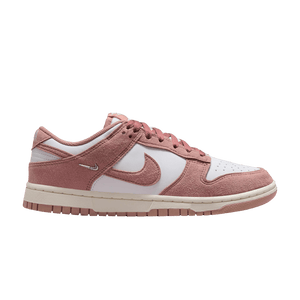


Article: Air Force 1 or Dunk? A Direct Comparison
Air Force 1 or Dunk? A Direct Comparison
Both are Nike, both come out of 1980s basketball, and for both the white-and-black colourway sells best. Even so, the Air Force 1 and the Dunk are two entirely different shoes – in height, in how they feel on foot, and in what they work with.
This comparison covers the differences you actually notice when wearing them.
A quick word on origins
The Air Force 1 arrived in 1982 as the first basketball shoe with Air cushioning. It's built accordingly: tall midsole, thick upper, plenty of visible bulk.
The Dunk followed in 1985 as a college model – the same silhouette in university team colours. Technically simpler: no Air unit, flatter sole. It came back decades later by way of skateboarding.
The differences at a glance
| Air Force 1 | Dunk | |
|---|---|---|
| Height | Tall, chunky | Flat, close to the ground |
| Cushioning | Air unit in the heel | None, foam only |
| Weight | Noticeably heavier | Lighter |
| Upper | Usually full leather | Often two-tone panels |
| Fit | Runs long | True to size, tight over the instep |
| Look | Wide, substantial | Slim, clean |
How they feel
The AF1 feels like a shoe. The thick sole puts distance between you and the ground, the Air unit adds some give, and the leather takes a few days to soften up. In return it lasts, and it handles wet weather better than almost any other silhouette.
The Dunk is the opposite: flat, direct, you feel the surface underfoot. Stand or walk a lot and you'll notice the missing cushioning. What you get instead is a lighter shoe that reads far less bulky.
Sizing: the difference that matters most when ordering
Air Force 1: runs long. Most people do better going half a size down.
Dunk: true to size in length, but tight across the instep. With a wider foot, go half a size up.
Which means the same number gives you two different results. Go by your foot length in centimetres instead – the conversion is in our sneaker size chart. If shoes generally pinch across the ball of your foot, the guide to sneaker widths is the one to read.
With an outfit
Height decides which trousers work.
- Wide and baggy trousers: AF1. It has enough bulk not to disappear under a heavy hem.
- Slim and straight trousers: Dunk. Flat and slim, it matches the line.
- Shorts: either, though the Dunk breaks up the leg less.
More on that in the styling guide.
Care and durability
The full-leather AF1 is the easier of the two: wiping it down usually does the job, and it copes with autumn weather. The Dunk often comes with suede panels – those need a waterproofing spray and a dry brush rather than water.
Material-by-material instructions are in how to clean sneakers.
Which one is for you?
Go for the Air Force 1 if you want a hard-wearing everyday shoe, wear wider trousers, have a broader foot, or plan to wear it in bad weather too. Browse: Nike Air Force 1.
Go for the Dunk if you prefer something flatter and slimmer, like colour combinations, and tend to wear narrower trousers. Browse: Nike Dunk.
If you only want one white pair that goes with everything: AF1. If you're after a second sneaker with more character: Dunk.
Frequently asked questions
Is the Air Force 1 more comfortable than the Dunk?
Over longer stretches, yes. The taller midsole and the Air unit cushion noticeably more. The Dunk is flat and direct.
Do they fit the same?
No. The AF1 runs long, the Dunk is true to size. The same number sits differently on each.
What's the difference between a Dunk and a Dunk SB?
The SB version is built for skateboarding: thicker tongue, more padding, a cushioned insole. It wears softer than the standard Dunk.
Which is better for wide feet?
The AF1. The Dunk is cut considerably tighter across the instep.
For how both compare to the Samba, Gazelle or New Balance, see our overview of the most important sneaker classics.